
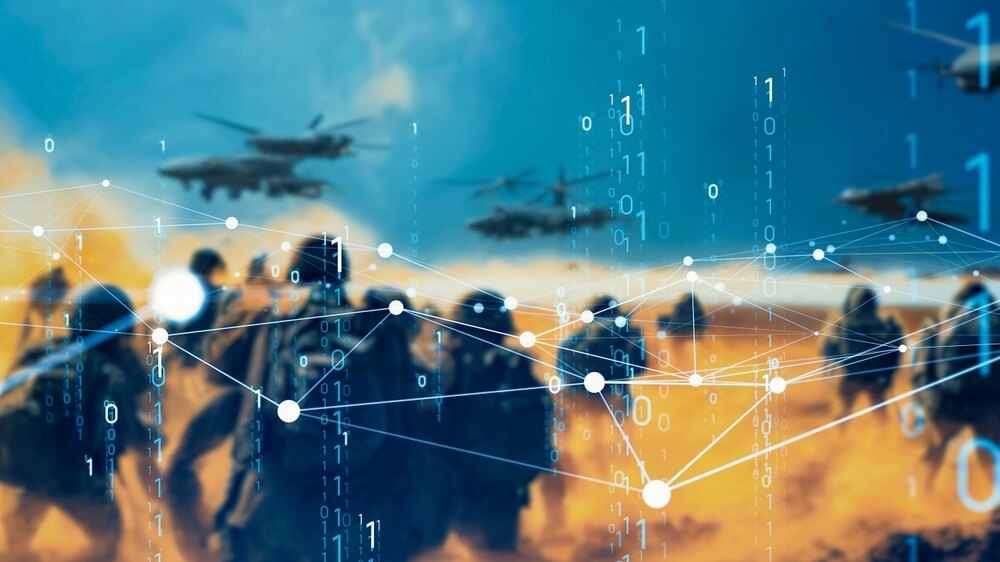
Artificial Intelligence (AI) is no longer confined to laboratories, research centers, or consumer applications. In recent years, military forces around the world have begun to explore how AI can be integrated into combat strategies, logistics, and defense systems. The idea of leveraging AI in warfare introduces both opportunities and risks.
AI-driven tools can process massive amounts of data at lightning speed, providing real-time intelligence that human analysts cannot match. From predicting enemy movements to optimizing battlefield resources, AI has the potential to transform decision-making in high-pressure environments. This technological leap could fundamentally change the way wars are fought, making operations faster and more precise than ever before.
Autonomous Weapons and Smart Defense Systems
One of the most debated applications of AI in the military is autonomous weaponry. These are systems capable of identifying and engaging targets without direct human control. Examples include AI-guided drones, robotic tanks, and missile defense systems that react automatically to incoming threats.
Advocates argue that such tools could reduce human casualties by removing soldiers from direct combat zones. For instance, drones equipped with AI could conduct surveillance missions in hostile areas without putting pilots at risk. Similarly, automated missile interception systems could defend cities with higher accuracy compared to traditional defense methods.
However, critics warn of ethical dilemmas and potential misuse. Autonomous weapons raise questions about accountability: if an AI-powered drone makes a fatal mistake, who bears the responsibility—the programmer, the commander, or the machine itself? These concerns have sparked global debates about regulation and the need for international agreements.
Global Arms Race in AI Technology
The integration of AI into military operations has fueled an arms race among major powers. Nations like the United States, China, and Russia are investing billions into AI research to maintain a competitive edge. Beyond weapon systems, AI is also being applied in areas such as cyber defense, satellite monitoring, and predictive maintenance for military hardware.
China, for instance, has openly declared its ambition to become the world leader in AI by 2030, with a strong focus on military modernization. The U.S. continues to push forward with projects like the Joint Artificial Intelligence Center (JAIC), while European countries are increasingly collaborating on AI defense research. This competition could accelerate innovation but also heighten geopolitical tensions, as countries race to dominate the battlefield of the future.
AI in the Theater of War
Despite its potential advantages, the use of AI in warfare carries substantial risks. One major concern is the possibility of misjudgment by algorithms, which may not fully grasp the complexity of human conflict. For example, an AI system might misinterpret signals or misclassify civilians as combatants, leading to tragic consequences.
Additionally, the reliance on AI opens doors to cyber vulnerabilities. Hackers could manipulate or disable AI-driven systems, turning them against the very nations that deploy them. The unpredictable nature of machine learning, combined with the lack of global governance, increases the possibility of escalation and unintended conflicts.
As the world edges closer to AI-powered battlefields, https://malaka555.sg-host.com/ call for urgent discussions on ethical frameworks, safety protocols, and global cooperation. Without proper safeguards, the weaponization of AI could pose threats far greater than the benefits it promises to deliver.
0 Comments